
Detailed Summary: Why There Isn't a Left-Wing Equivalent to The Daily Wire
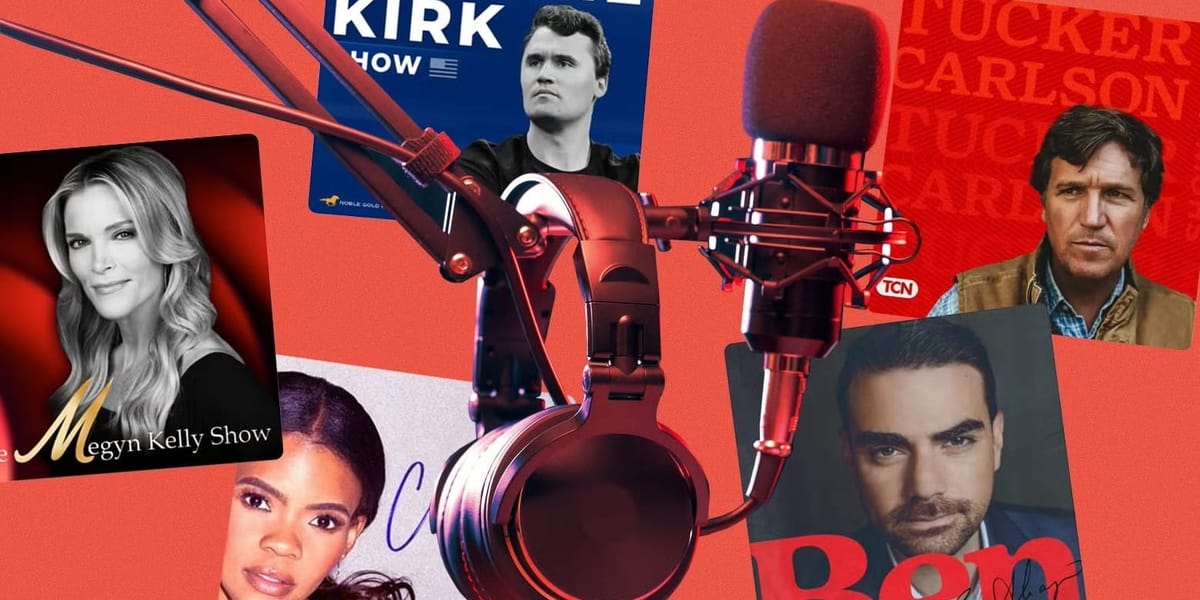
The Daily Wire is one of the most successful conservative media platforms in the U.S., with a highly profitable business model combining news, opinion, entertainment, and e-commerce. Despite the presence of left-leaning media, no single left-wing platform has achieved a similar scale or influence. This summary explores why, focusing on business models, funding sources, ideological structures, and media consumption habits.
The Daily Wire’s Business Model: Why It Succeeds
1. Funding and Investment
- Founded in 2015 by Ben Shapiro and Jeremy Boreing with $4.7 million from Texas billionaire Farris Wilks.
- Benefitted from wealthy conservative donors willing to invest in ideological media without expecting immediate profitability.
2. Revenue Streams and Expansion
- Subscription Model: Over 1 million paid subscribers (DailyWire+), generating steady income.
- E-Commerce: Jeremy’s Razors, Jeremy’s Chocolates, and Bentkey children’s content added $22 million in revenue in 2023.
- Advertising & Podcasts: Large-scale monetization of engagement across Facebook, YouTube, and podcasts.
- Entertainment: Producing movies, documentaries, and children’s shows to shape conservative culture.
3. Content and Engagement Strategy
- Focuses on culture war issues and viral content, using emotional and identity-driven storytelling.
- Dominates social media engagement (Facebook, Twitter, YouTube), outperforming traditional news outlets.
- Positioned as an alternative to mainstream media, fostering strong audience loyalty and monetization.
Why There’s No Equivalent Left-Wing Media Giant
While left-leaning media exists, no single outlet mirrors the Daily Wire’s scale, revenue diversity, and ideological branding. Key reasons:
1. Funding Disparity
- Left-wing media relies more on traditional journalism models (ads, donations, venture capital) rather than ideological patronage.
- Wealthy progressive donors focus more on activism, think tanks, and elections rather than long-term media infrastructure.
- Right-wing donors treat media as a decades-long investment in shaping public opinion, while the left has not built a comparable funding network.
2. Business Model Differences
- Left media struggles with monetization: While The Young Turks and Crooked Media have paid memberships, their subscriber numbers (e.g., TYT’s ~27,000 paying members) pale in comparison to Daily Wire’s 1M+ subscribers.
- No "parallel economy": Conservatives actively support “woke-free” businesses, while liberals generally buy from mainstream brands rather than explicitly leftist alternatives.
- Left-leaning outlets prioritize public access (e.g., ProPublica, Democracy Now!) rather than paywalled content, limiting revenue potential.
3. Media Ecosystem Differences
- Right-wing audiences actively seek alternative media, feeling alienated from mainstream news.
- Left-wing audiences still consume mainstream outlets like The New York Times, MSNBC, and NPR, reducing demand for a purely progressive partisan alternative.
- Conservative media thrives on outrage-driven engagement, while left media often focuses on policy and investigative journalism, which is less viral.
4. Political & Institutional Support
- Republican politicians actively promote right-wing media (e.g., Trump boosting conservative outlets).
- Fox News, talk radio, and digital platforms coordinate messaging, reinforcing conservative narratives.
- On the left, Democratic politicians engage with mainstream media rather than boosting explicitly progressive media.
Historical & Cultural Factors Behind the Imbalance
1. Conservative Media's Long-Term Growth Strategy
- Talk Radio (1980s–1990s): The repeal of the Fairness Doctrine led to Rush Limbaugh’s dominance and a deeply engaged conservative radio audience.
- Fox News (1996–Present): Built to provide a 24/7 conservative alternative to mainstream news.
- Digital & Social Media (2010s–2020s): Right-wing sites (Breitbart, The Daily Caller) and figures like Ben Shapiro leveraged Facebook, YouTube, and podcasts for explosive growth.
2. Left’s Fragmented Media Approach
- Progressive media exists (The Young Turks, Crooked Media, Mother Jones), but lacks a unified structure like the right-wing ecosystem.
- Efforts like Air America Radio (2004–2010) failed due to weak financial backing and lower audience loyalty.
- Left-leaning audiences consume a wider range of outlets, making it harder for a single entity to dominate.
3. Media Trust and Polarization
- Studies show the right-wing media ecosystem is more insular, with audiences preferring explicitly partisan sources.
- Liberals trust mainstream media more and don’t seek alternatives in the same way conservatives do.
- Misinformation thrives in right-wing media spaces, reinforcing echo chambers and strengthening audience loyalty.
Right-Wing Media Beyond English-Speaking Countries
1. Latin America & Spain
- El American (U.S./Latin America): Described as “Fox News meets Daily Wire for Hispanics,” launched in 2020 targeting Spanish-speaking conservatives.
- Brasil Paralelo (Brazil): Produces conservative documentaries and YouTube content, shaping Bolsonaro-era discourse.
- OK Diario (Spain): A digital right-wing newspaper aligned with nationalist politics.
2. Europe
- CNews (France): A right-wing Fox News-style TV network.
- GB News (UK): Launched in 2021 as a conservative alternative to BBC and Sky News.
- Hungary & Eastern Europe: Right-wing governments (e.g., Hungary’s Viktor Orbán) actively build state-aligned conservative media.
3. India & Other Regions
- India: Channels like Republic TV act as pro-BJP nationalist outlets, similar to Fox News.
- Italy: Matteo Salvini’s League mastered Facebook for nationalist messaging, mimicking U.S. right-wing engagement strategies.
These cases show that right-wing media strategies—alternative news branding, billionaire backing, and social media dominance—are globally replicable. Left-leaning outlets, while present, lack similar unified structures or funding sources.
Comparative Analysis: Why the Left Hasn’t Replicated The Daily Wire’s Success
| Factor | Right-Wing Model (e.g., The Daily Wire) | Left-Wing Model (e.g., TYT, Crooked Media) |
|---|---|---|
| Funding | Wealthy donors invest millions for ideological reasons | Reliance on venture capital, ads, or nonprofit grants |
| Revenue Strategy | Subscription + e-commerce + ads | Ads, donations, fewer subscription options |
| Content Strategy | Outrage, identity-driven, culture wars | Investigative journalism, policy discussions |
| Audience Behavior | Distrusts mainstream media, seeks alternatives | Still consumes mainstream news |
| Political Promotion | GOP politicians actively promote right-wing media | Democrats engage with mainstream outlets, not hyper-partisan media |
| Engagement & Virality | Social media-driven, highly viral content | Less focus on virality, more traditional journalism |
| Expansion & Scale | Built a full media brand (news, films, merch, streaming) | Lacks diversified, scalable businesses |
Key Takeaway: The right actively builds and funds its media infrastructure as a political and cultural weapon, while the left has historically relied on mainstream media or nonprofit journalism, leading to weaker business models and audience loyalty.
Conclusion: Can the Left Build a Daily Wire Equivalent?
Challenges to Overcome:
- Need for sustained donor investment (progressive billionaires investing in media, not just activism).
- Stronger audience monetization models (merchandising, exclusive content, not just ads).
- More viral, emotionally engaging content (without losing credibility).
Signs of Change:
- Some Democratic strategists now recognize the need for proactive media-building efforts.
- Progressive influencers and YouTube personalities are gaining traction, though still fragmented.
- New left-wing media experiments (e.g., leveraging Patreon, Substack, or nonprofit funding models).
For now, however, the conservative media ecosystem remains unmatched in scale and influence. The right has invested for decades in alternative media, while the left has largely relied on mainstream outlets—an imbalance that may take years to shift.
This analysis highlights the structural, financial, and cultural reasons why no single left-wing Daily Wire exists—yet. Future shifts will depend on whether progressive donors and media entrepreneurs decide to replicate the right’s long-term investment in partisan media infrastructure.