
Mainstreamed: How the Far Right Took Over the Feeds of Young Men
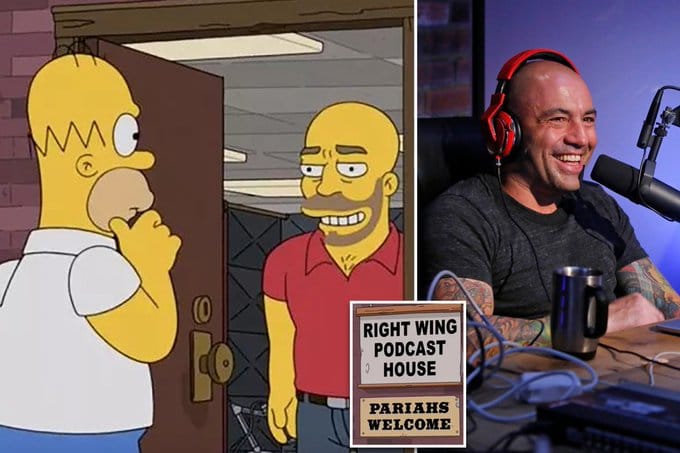
Executive Summary:
- Far-right movements have successfully captured the political and cultural attention of young men (under 35) across Western democracies using video-led digital platforms: podcasts, YouTube, TikTok.
- These shifts translated into real electoral gains in the 2024 EU and U.S. elections, while progressive parties and campaigns struggled to engage this demographic effectively.
Key Findings
1. The Far-Right’s Digital Playbook
- Video-led podcasting (e.g. Joe Rogan Experience, Ben Shapiro, Theo Von) has become the dominant format influencing young men—podcasting is now visual-first via YouTube, TikTok, and livestreams.
- YouTube + TikTok = radicalisation funnel: Short-form clips drive discovery; longer podcast/video content deepens ideological alignment.
- Parasocial relationships with “bro” creators enable soft influence—many far-right talking points are introduced informally, via lifestyle or cultural commentary.
2. 2024 Election Results – Youth Rightward Shift
- U.S.: Trump led Biden among men under 35, with +14 points among all young men and +28 among white men aged 18–29.
- Germany: AfD won 16% of under-25s in 2024 EU elections—tripling their youth vote from 2019.
- France: National Rally received 32% of under-34s, driven by Jordan Bardella’s TikTok-first strategy.
- UK: No major far-right party, but strong cultural influence via influencers and GB News-style media. Young men increasingly back right-leaning narratives.
- Netherlands: Wilders’ PVV led youth vote in 2023–24; housing/immigration issues drove support among under-30s.
- Spain: Vox underperformed compared to peers. Despite strong digital presence, only 12.4% of under-25s voted Vox in 2024—likely due to historical memory of Franco, youth liberalism, and left competition.
- Italy: Giorgia Meloni’s Brothers of Italy was the most popular party among under-35s (22%) in 2022. Support persisted in 2024 EU elections.
3. Narrative Themes Driving Engagement
- Masculinity crisis: Content frames the far-right as a defender of “real men”; influencers like Andrew Tate and Maximilian Krah link masculinity to right-wing values.
- Anti-“woke” backlash: Far-right creators present themselves as rebels against political correctness, feminism, and social liberalism—“truth-tellers” who won’t be cancelled.
- Economic anxiety: Youth frustration with housing, jobs, inflation gets reframed as a product of immigration, government weakness, and globalism.
- Conspiracy + distrust: Influencer-driven content fuels belief that mainstream media, science, and politics are corrupt or rigged—creating a sealed ideological ecosystem.
- Style > substance: Far-right content thrives not on formal politics, but entertainment, humour, relatability, and meme-culture.
4. Top Influencers / Podcasts Reaching Young Men
| Name | Platform | Audience | Key Themes |
|---|---|---|---|
| Joe Rogan | Spotify, YouTube | 11M/listeners per episode; Trump ep: 52M views | Anti-PC, free speech, conspiracism |
| Andrew Tate | TikTok, YouTube | 13B+ TikTok views (pre-ban); massive reposting | Misogyny, masculinity, authoritarianism |
| Jordan Bardella | TikTok | 2.1M followers | Nationalism, lifestyle/pop-patriotism |
| Adin Ross | Kick, YouTube | 50k–100k live viewers; hosted Trump | Edgy humour, right-wing politics, Gen Z slang |
| Ben Shapiro | YouTube, Podcast | Top 5 in U.S.; 5M+ subs | Anti-woke, traditionalism, cultural grievance |
| Alvise Pérez | Telegram, Instagram | 1M+ followers; won MEP seat with 800k votes | Spanish nationalism, corruption, fake news |
5. Why the Left is Losing
- Late to digital strategy: Many progressive parties only recently joined TikTok or podcast spaces, and still struggle with authenticity.
- Messaging tone mismatch: Left messaging often uses moralising, institutional or elite frames vs. right’s emotional, identity-based appeals.
- Neglect of male identity politics: The left hasn’t addressed male disaffection or masculine identity, ceding ground to right-wing “alpha male” figures.
- No equivalent media ecosystem: No “progressive Daily Wire” exists; leftist content creators are fragmented, underfunded, and lack coordinated narrative discipline.
6. Notable Progressive Bright Spots
- Hasan Piker (Twitch): 3M+ followers; successfully reframes masculinity with progressive politics.
- ContraPoints (YouTube): Deep political analysis wrapped in cultural, aesthetic storytelling.
- Jean-Luc Mélenchon (France): Used YouTube + holograms to win under-25 vote in 2022.
- U.S. Gen Z for Change: TikTok-led voter mobilization in 2022 & 2024 midterms.
- Spain 2023: Youth mobilised tactically against Vox via grassroots social campaigns.
7. Strategic Recommendations
- Invest in progressive content creators, especially those who understand young male identity and internet culture.
- Frame progressive values as countercultural and rebellious, not establishment or moralising.
- Use humour, satire, and peer-to-peer communication to engage, not lecture.
- Address male disaffection empathetically, offering belonging and purpose.
- Avoid cringeworthy “youth” outreach by elevating authentic messengers already active in the space.
Introduction
Far-right movements have tapped into a rich vein of disaffection among young men across Western democracies. From the United States to Europe, right-wing populists are leveraging podcasts, YouTube channels, TikTok clips, and “manosphere” content to capture the attention of men under 35. In the 2024 elections, several countries saw surprising shifts in youth voting: for example, U.S. exit polls indicate Donald Trump won young male voters by a significant margin – a stark reversal from 2020 (Why the Democrats Failed to Win the Youth Vote - Progressive.org). Similarly, far-right parties in Europe made historic inroads among first-time and under-35 voters, turning a traditionally left-leaning age group into a new conservative base (How the far-right gained traction with Europe's youth | Reuters) (How the far-right gained traction with Europe's youth | Reuters). This report examines how far-right narratives (from “anti-woke” culture wars to appeals to “traditional masculinity”) are packaged on digital platforms, profiles the influencers and content creators driving these trends, reviews 2024 youth voting patterns in each country (US, Germany, UK, France, Spain, with notes on the Netherlands and Italy), and compares what progressive movements are – or aren’t – doing in response. Strategic insights for communicators seeking to counter the far-right’s youth appeal are offered in conclusion.
The Digital Pipeline: Podcasts, YouTube, and TikTok Fueling Far-Right Ideas
(Trump and Vance go on a tour of dude influencers : NPR) Former U.S. President Donald Trump (left) smiles alongside streamer Adin Ross (right) during a 2024 interview – a vivid example of politicians tapping into young influencers’ audiences (Why the Democrats Failed to Win the Youth Vote - Progressive.org).
Far-right ideas spread to young men through a decentralized online ecosystem of podcasts, video channels and social media clips. Unlike traditional news, these platforms feel native to Gen Z and young millennials. Influencers use relatable, entertaining styles – candid chats, memes, edgy humor – to package political messages. As one researcher noted, the right’s “first objective is to win a cultural battle” by occupying youth spaces online, exploiting the perception that “the left can’t meme” (Europe’s far right uses TikTok to win youth vote – POLITICO).
- Podcasts & Hybrid Shows: Long-form talk shows blending video and audio (often streamed on YouTube or Twitch, then circulated as podcasts) have become key. Many popular hosts are comedians or pop-culture personalities who gradually introduce political themes. For example, the Joe Rogan Experience – the most popular podcast on Spotify – mostly features casual, unfiltered conversations and has an audience made up predominantly of 18–33 year-old men (Why the Democrats Failed to Win the Youth Vote - Progressive.org). Rogan usually avoids overt partisanship, but by providing a platform to conspiracy theorists, anti-“PC” culture warriors, and even figures like Trump, such shows normalize far-right talking points. (Trump’s October 2024 appearance on Rogan’s podcast amassed 52 million YouTube views (Why the Democrats Failed to Win the Youth Vote - Progressive.org), illustrating the enormous reach these channels have.) In the U.S., a whole ecosystem of right-wing talk shows dominates the charts – e.g. Ben Shapiro’s podcast (Daily Wire) consistently ranks among top political podcasts (The Top 50 Podcasts in the U.S. for Q4 2024 - Edison Research) – delivering conservative commentary to millions of young listeners daily.
- YouTube Influencers: YouTube serves as both a video platform and a search engine for politicized content. Far-right commentators – from polished U.S. conservative hosts to amateur vloggers – exploit YouTube’s algorithm by producing viral clips targeting grievances of young men. In the UK and U.S., for instance, anti-feminist or anti-immigrant YouTubers have built large followings. American conservative pundit Steven Crowder and British nationalist Paul Joseph Watson (formerly of InfoWars) garnered millions of subscribers at their peaks, with content mixing sarcastic humor and fear-mongering. Even apolitical entertainment channels can become gateways: popular streamer Theo Von, a comedian by trade, has hosted far-right guests in a non-confrontational manner. His “innocent curiosity” persona (he often professes to “go in with no prior information”) gives extremist views an amiable airing (Young men drifted Right in '24. Can the Left compete in the 'battle for the bros'? : NPR) (Young men drifted Right in '24. Can the Left compete in the 'battle for the bros'? : NPR). This approach, as New Yorker writer Andrew Marantz observes, makes extreme ideas seem like just “another point of view in a casual chat among bros” – part of what he dubs the “battle for the bros” online (Young men drifted Right in '24. Can the Left compete in the 'battle for the bros'? : NPR) (Young men drifted Right in '24. Can the Left compete in the 'battle for the bros'? : NPR).
- TikTok’s Short-Form Grip: Nowhere is the fight for youth attention fiercer than on TikTok. The Chinese-owned app’s algorithm can propel 15- to 60-second videos to millions of young viewers overnight. Far-right activists have become masters of TikTok’s format, using fast cuts, captions, and trending sounds to hook viewers on political content they might not seek out otherwise. In Europe, far-right politicians lead TikTok engagement: Nearly 40% of all followers of Members of the European Parliament (MEPs) on TikTok follow far-right or right-wing populist MEPs, according to a 2024 Politico analysis (Europe’s far right uses TikTok to win youth vote – POLITICO). Those right-wing MEPs garnered almost 39 million likes and over 2 million followers – dwarfing the engagement of mainstream parties (Europe’s far right uses TikTok to win youth vote – POLITICO). In France, 28-year-old Jordan Bardella (Marine Le Pen’s protégé and president of National Rally) amassed over 1 million TikTok followers in under 3 years (Europe’s far right uses TikTok to win youth vote – POLITICO). Bardella’s TikToks avoid wonky policy; instead, he posts slice-of-life vignettes, patriotic memes, and personal appeals that attract a youthful fanbase (commenters swoon over his style and call him “my husband!!!”, as if he were a pop star (Europe’s far right uses TikTok to win youth vote – POLITICO)). This savvy, “avoid politics to do politics” strategy has made National Rally “the most popular party among French under-34 voters”, who gave it 32% in the 2024 EU vote (How Europe's Far-Right Parties Are Winning Over Young Voters). Across Europe, Gen Z influencers unaffiliated with parties also spread nationalist and anti-immigrant ideas on TikTok, then boost far-right campaigns. (Politico found 25% of all MEPs on TikTok came from the right-populist blocs (Europe’s far right uses TikTok to win youth vote – POLITICO), reflecting how actively the far-right has colonized this space.)
- Edgy Streamers and “Manosphere” Personalities: A significant vector for far-right ideas is the so-called manosphere – a constellation of influencers focused on men’s lifestyle, dating, and self-help, which often veers into misogyny and anti-progressive rants. These include figures like Andrew Tate, a British-American former kickboxer who built a massive online brand advocating a hyper-masculine, anti-feminist lifestyle. Tate’s slick videos – featuring luxury cars, women, and aggressive slogans – blew up on TikTok to billions of views (often reposted by followers to evade bans) (Why the Democrats Failed to Win the Youth Vote - Progressive.org). While not every young fan of Tate considers himself “far-right,” the overlap of misogynistic and racist/extremist ideologies is well-documented. Tate himself peppers his rants about gender roles with climate change denial, COVID conspiracies, and praises for authoritarian politics. His content has effectively become a gateway drug for harder far-right content. For example, popular streamer Adin Ross (early 20s) started as a gaming entertainer but, after befriending Tate, began echoing far-right talking points. Ross’s streams draw “tens of thousands of young male viewers per session” (Why the Democrats Failed to Win the Youth Vote - Progressive.org), and in 2023 he hosted white nationalist Nick Fuentes on his show and openly supported Trump (Why the Democrats Failed to Win the Youth Vote - Progressive.org). By the 2024 campaign, Ross was enough of a conservative star that Trump’s team sought him out – as Trump pollster Tony Fabrizio explained, “There is a reason why we’re doing podcasts. There is a reason why we’re doing Adin Ross” (Why the Democrats Failed to Win the Youth Vote - Progressive.org) – to reach disaffected young men. The cross-pollination between mainstream right-wing figures and “dude influencers” has only grown: Trump also chatted with the viral Paul brothers (Logan and Jake), and even joined a WWF-style skit on Logan Paul’s TikTok to promote an interview (Trump and Vance go on a tour of dude influencers : NPR). The strategy is clear: appear in these irreverent, youth-friendly settings to lend the far-right message the “subversive cool” of internet culture.
Table 1: Notable Far-Right Influencers/Podcasts and Their Reach (circa 2024)
| Name (Country) | Platforms & Format | Audience Metrics & Reach | Core Themes |
|---|---|---|---|
| Joe Rogan (USA) | Podcast (audio & video), Spotify & YouTube | #1 podcast on Spotify; ~11 million listeners per episode (est.) (Why the Democrats Failed to Win the Youth Vote - Progressive.org). Trump ep. drew 52M YouTube views (Why the Democrats Failed to Win the Youth Vote - Progressive.org). Audience mostly men under 35 (Why the Democrats Failed to Win the Youth Vote - Progressive.org). | Anti-“woke” skepticism, free-speech absolutism, casual interviews with conspiracists and politicians alike. |
| Ben Shapiro (USA) | Podcast & YouTube show (Daily Wire) | One of the top conservative podcasts in U.S. (The Top 50 Podcasts in the U.S. for Q4 2024 - Edison Research); millions of downloads per month. Facebook page is consistently among most engaged news sources. ~5M YouTube subscribers. | Social conservatism, anti-left “culture war” commentary, critiques of immigration and identity politics. |
| Andrew Tate (UK/Global) | Short-form video (TikTok), YouTube clips | Over 13 billion TikTok hashtag views (cumulative) at peak; tens of millions of followers across banned/reinstated accounts (Why the Democrats Failed to Win the Youth Vote - Progressive.org). Notoriously influential among teenage boys. | Hyper-masculinity, misogyny (“male dominance” ideology), anti-feminism, plus conspiratorial politics (anti-vax, admiration for strongmen). |
| Adin Ross (USA) | Live streaming (Twitch/Kick), YouTube vids | Regularly pulls 50k+ live viewers per stream (Why the Democrats Failed to Win the Youth Vote - Progressive.org); 7+ million followers on Twitch (before moving to Kick). Hosted Trump for chat in 2024. | Gaming and prank content turned political. Sympathetic to far-right figures (Nick Fuentes, Tate). Endorses Trump, rails against “cancel culture.” |
| Charlie Kirk (USA) | Podcast, YouTube, Radio (TPUSA Live) | 5M+ Instagram followers; claims 100M+ social media reach/month (TPUSA) ([PDF] press kit - turning point usa). “Turning Point USA” campus tours yield viral clips (billions of views per TPUSA) (Charlie Kirk - Wikipedia). | Youth-focused right-wing activism, nationalist and anti-socialist rhetoric, attacks on campus “wokeness.” |
| Jordan Bardella (France) | TikTok, Instagram, short videos | 2.1 million TikTok followers (as of 2024) (Europe’s far right uses TikTok to win youth vote – POLITICO); content garners millions of likes. Rising star who succeeded Marine Le Pen as party leader at 27. | Nationalism without the formalities – lifestyle posts mixing patriotism and pop culture. Anti-immigration stance is implied more than preached on TikTok. |
| Alvise Pérez (Spain) | Instagram, Telegram, YouTube | ~1 million Instagram followers ([Influencers, activists and an army general: new MEPs heading to European parliament | European parliamentary elections 2024 |
| Steven Crowder (USA) | YouTube talk show (“Louder with Crowder”) | 5.9M YouTube subscribers; streams often top trending lists. Known for virally shareable “Change My Mind” campus stunt videos. | Conservative comedy, anti-LGBTQ and anti-feminist slant, gun rights, mocking liberals via “edgy” skits. |
| Tommy Robinson (UK) | Facebook, Telegram, formerly YouTube | Once had ~1M Facebook followers (before bans); now active on Telegram with tens of thousands. Draws crowds of young men at rallies. | Anti-Islam extremism, anti-immigration, street protest organization. Icon for UK’s football hooligan-style nationalism. |
(Table notes: Figures as of late 2024. “Followers” and views are approximate and platform-reported; actual reach can be higher via shares. Bolded names are particularly influential transnationally.)
As Table 1 illustrates, these influencers vary – from suit-wearing political operatives like Charlie Kirk to brash entertainers like Adin Ross – but they share an ability to engage young men through digital-native content. Many sit at the nexus of politics and pop culture, blurring lines between “just chatting” and propaganda. This amorphous, peer-to-peer style can be far more persuasive to a 22-year-old than traditional party ads or speeches.
Narrative and Style: Themes that Resonate with Young Male Audiences
Why are young men tuning in? Far-right content creators have honed narratives that speak to personal identity and frustrations. Key themes include:
- Masculinity and Male Identity: A unifying thread is the appeal to men who feel emasculated or adrift in modern society. Influencers portray far-right politics as a refuge for “real men.” For instance, during Germany’s EU election campaign, the AfD’s young lead candidate Maximilian Krah went viral on TikTok with a tongue-in-cheek list of tips for young men: “Don’t watch porn, don’t vote for the Greens, go outside… Real men are right-wing.” (How the far-right gained traction with Europe's youth | Reuters). This framing equates conservative/traditionalist values with strength and self-respect – tapping into the same sentiments that draw young men to self-styled “alpha male” gurus. Podcasts often discuss men’s “purpose” and “crisis of masculinity”; even on a mainstream comedian’s show, Theo Von admitted “there’s never been a lot of organizations where it’s like, hey, men need help, you know?” (Young men drifted Right in '24. Can the Left compete in the 'battle for the bros'? : NPR), leading into a segment about how young men struggle and feel left out. Far-right ideologues seize on this male malaise to argue that feminism and “wokeism” are to blame – offering their movement as the cure. The narrative is effectively “It’s okay to be a man’s man – the left wants you to feel guilty for it, but we don’t.” That message has immense psychological pull, especially on those who might feel socially alienated.
- Anti-“Woke” Backlash: Nearly all these influencers rally against what they label “woke culture.” This catch-all term can include progressive stances on race, gender, LGBTQ+ rights, and more. By caricaturing the liberal/progressive worldview as a censorious orthodoxy, the far-right positions itself as rebellious and countercultural. Young men who chafe at political correctness find validation in content that ridicules “woke leftists” and dismisses concepts like gender fluidity or white privilege as absurd. Analysts note that far-right leaders have gained cachet among youth by acting like “a subversive counterculture” and claiming they are the ones being oppressed by mainstream norms (How the far-right gained traction with Europe's youth | Reuters) (How the far-right gained traction with Europe's youth | Reuters). For example, it’s common for right-wing streamers to joke that saying something politically incorrect is “probably gonna get me canceled (haha)” – a wink that invites young viewers to feel like brave free-thinkers for listening. This narrative turns the act of consuming far-right media into an act of defiance against a supposed liberal establishment. Indeed, many young male fans see figures like Tate or Shapiro as truth-tellers who aren’t afraid to offend. This dynamic fuels engagement: controversial statements generate algorithm-boosting comments and shares from both fans and outraged critics (How the far-right gained traction with Europe's youth | Reuters) (How the far-right gained traction with Europe's youth | Reuters).
- Anti-Immigration and Nationalism: Traditional far-right planks – anti-immigrant sentiment, law-and-order, and nativist nationalism – are still central, but they’re often repackaged in youth-friendly ways. Rather than dry policy talk, creators use storytelling and personal appeals. A German 17-year-old voter, asked why he chose the AfD, put it simply: “Germany is not going in a good direction and [AfD] was the only party with a really clear message on migration.” (How the far-right gained traction with Europe's youth | Reuters). That clarity (“stop illegal immigration, put Germans first”) stands out amid what many young voters see as establishment failure to address their concerns. In Spain, a 22-year-old Vox supporter similarly said, “It seems to be the only party that really opposes the government on taboo subjects like immigration or gender”, explaining his vote (How the far-right gained traction with Europe's youth | Reuters). Far-right content creators amplify these views with emotive language about “protecting our country”, often pairing anti-immigrant rhetoric with anger over crime or economic scarcity. For example, Spanish influencer-turned-MEP Alvise Pérez rails that Spain needs to build the “largest prison in Europe” to lock up criminals (and that the government is too soft on immigrants) (Influencers, activists and an army general: new MEPs heading to European parliament | European parliamentary elections 2024 | The Guardian) (Influencers, activists and an army general: new MEPs heading to European parliament | European parliamentary elections 2024 | The Guardian). Such dramatized narratives portray young men’s futures as threatened by waves of outsiders, resonating in countries facing high youth unemployment or housing crises. Notably, in the Netherlands, 24-year-old voters told the Guardian they backed Geert Wilders because he “wants to figure out the housing crisis” – blaming immigration for scarce jobs and homes (Why are younger voters flocking to the far right in parts of Europe? | The far right | The Guardian) (Why are younger voters flocking to the far right in parts of Europe? | The far right | The Guardian). By connecting national decline to immigration and multiculturalism, far-right propagandists give frustrated youth a scapegoat (and an outlet for latent xenophobia).
- Conspiracy and Cynicism: Many young men drawn to these movements have a deeply cynical outlook on institutions. Far-right online spaces feed that cynicism with conspiracy theories (e.g. “globalist elites” replacing native populations, or claims that elections are rigged by the left). While older conspiracy peddlers like Alex Jones appealed to fringe audiences, today’s meme-friendly versions reach the mainstream. For instance, among Polish youth, the far-right Confederation party gained traction not just with nationalist ideas but with anti-establishment internet memes and libertarian-economic conspiracy (like blaming the government for cost-of-living problems) (How the far-right gained traction with Europe's youth | Reuters) (How the far-right gained traction with Europe's youth | Reuters). The common refrain is that “mainstream media is lying to you” – and indeed, influencers often urge young followers to distrust traditional news and instead get “the real truth” from streams and Telegram channels. This message has found fertile ground: a 2024 Pew study found 37% of Americans aged 18–29 regularly get news from social media influencers, and that these influencers “notably lean conservative” (“Nearly 40% of young Americans get their news from influencers. Many of them lean to the right, study finds” - Election Law Blog) (“Nearly 40% of young Americans get their news from influencers. Many of them lean to the right, study finds” - Election Law Blog). In other words, large numbers of young people have replaced legacy news with partisan influencer content, creating an echo chamber where far-right narratives (no matter how factually dubious) spread unchecked. Far-right creators capitalize on this closed loop to reinforce myths (from election fraud to anti-vaccine beliefs) that further radicalize young men or at least deepen their distrust of anything outside the right-wing sphere.
Stylistically, far-right content aimed at youth tends to share a “DIY authenticity.” Videos are often intentionally low-fi or presented as casual rants rather than polished propaganda. This makes the messenger seem like “one of us” – a regular guy on the internet, just with a mic and an opinion. This style contrasts with the slick production of official liberal/progressive campaigns, which some young viewers find less genuine. The “bro-y” camaraderie of podcasts is particularly effective: hosts like Rogan or Theo Von adopt an unscripted, open-ended tone that makes even extreme guests seem approachable. As Marantz notes, listeners spending “hundreds of hours” with these podcasts feel a personal bond, like the host is a friend (Young men drifted Right in '24. Can the Left compete in the 'battle for the bros'? : NPR). By the time political subjects come up, the young audience’s guard is down – they’ve already accepted the host’s “just asking questions” framing. This dynamic helps far-right influencers diffuse criticism: they claim they’re “not preaching, just discussing”, even as they platform and normalize hateful ideologies.
In summary, the far-right’s youth outreach thrives on cultural and emotional appeals: affirming disaffected young men’s sense of identity, stoking their grievances (against women, minorities, “globalists”, etc.), and promising clarity in a confusing world. The content feels more like entertainment or self-improvement than traditional politics – which is exactly why it’s effective. By the time it translates into voting behavior, the ideological conditioning is well advanced.
2024 Youth Voting Trends – Country by Country
Despite different national contexts, 2024 brought a common pattern: far-right parties gained ground among young voters (especially young men) in many Western democracies. Below, we break down key results and trends in each country:
United States: Young Men Drift Right in 2024
The 2024 U.S. presidential election revealed a striking gender gap among young voters. While Democrats continued to win most women under 30, young men swung sharply toward the right. According to exit polls and analyses by Tufts University’s CIRCLE, turnout among voters under 30 dropped about 10-12% from 2020, and those who did vote skewed more Republican than before (Why the Democrats Failed to Win the Youth Vote - Progressive.org). In 2020, Biden won young (18–29) white men by 15 points; in 2024, Trump flipped that to a 14-point lead among young men overall (and a stunning 28-point lead among young white men) (Why the Democrats Failed to Win the Youth Vote - Progressive.org). In other words, the GOP turned what was recently a Democratic demographic stronghold into a Republican-leaning group in just one election cycle.
What drove this shift? Partly, the successful digital strategy discussed above. Trump’s campaign explicitly courted “the bros.” Starting in early 2024, Trump (and surrogates like his son Don Jr. and aligned figures like Sen. J.D. Vance) went on a “dude influencer tour” – appearing on shows hosted by popular young male personalities (Trump and Vance go on a tour of dude influencers : NPR) (Trump and Vance go on a tour of dude influencers : NPR). Trump chatted MMA and pop culture on the Nelk Boys’ YouTube channel, joked around on a TikTok with Logan Paul, and gave lengthy interviews to podcasters who seldom engage in traditional political journalism (Why the Democrats Failed to Win the Youth Vote - Progressive.org) (Why the Democrats Failed to Win the Youth Vote - Progressive.org). These appearances were friendly and non-confrontational, casting Trump in a relatable light. An NPR review noted this was a deliberate play to “turn non-voting young guys into voters” by nudging them with content they already enjoyed (Trump and Vance go on a tour of dude influencers : NPR). For example, Trump’s interview on Logan Paul’s show got 6.5 million views on YouTube, exposing many young people who might tune out a campaign rally to Trump’s message in a casual setting (Trump and Vance go on a tour of dude influencers : NPR). The strategy seems to have paid off: Trump retained or expanded his youth support even as overall youth turnout fell, suggesting many previously disengaged young men showed up for him in 2024.
Another factor is issue salience: polling indicates young men’s top concerns were the economy (inflation, jobs) and dissatisfaction with “woke” social policies – areas where Republican rhetoric, however simplistic, resonated. Democrats, by contrast, may have failed to inspire young voters. Progressive commentators admit that in 2024 “the youth vote was taken for granted” by the Democratic campaign (Why the Democrats Failed to Win the Youth Vote - Progressive.org) (Why the Democrats Failed to Win the Youth Vote - Progressive.org). Instead of addressing young people’s economic frustrations or online radicalization, Democrats like nominee Kamala Harris (the VP at the time) focused on more traditional liberal bases (e.g. suburban women) (Why the Democrats Failed to Win the Youth Vote - Progressive.org) (Why the Democrats Failed to Win the Youth Vote - Progressive.org). The result was an “enthusiasm gap.” Many liberal-leaning young men simply sat out the election, while conservative-leaning young men were energized by the right’s online milieu. As one Gen Z organizer put it, “Young white men are increasingly conservative, and it’s a really alarming trend… It’s easy to dismiss it as silly podcast bros… but it has very serious consequences.” (Why the Democrats Failed to Win the Youth Vote - Progressive.org) (Why the Democrats Failed to Win the Youth Vote - Progressive.org) Her point underscores 2024’s lesson: Democrats can no longer assume the “youth vote” = the left vote, especially among males. Without a counter-strategy, the GOP has effectively won a chunk of the under-35 male demographic in America for the first time in decades.
Germany: Social Media Boosts the AfD’s Youth Appeal
Germany’s far-right Alternative für Deutschland (AfD) party achieved unprecedented success among young voters in 2024. In the June 2024 European Parliament elections, the AfD surged to 16% support among voters under 25 – up 11 percentage points from the last EU election (How the far-right gained traction with Europe's youth | Reuters). This jump outpaced its growth in any other age group (it was more than double the AfD’s gain in the overall electorate) (How the far-right gained traction with Europe's youth | Reuters). The strong youth vote helped propel AfD to second place nationwide in the Euro-elections (How the far-right gained traction with Europe's youth | Reuters), a shocking result in a country where the far-right’s support had traditionally skewed older. It’s especially notable because Germany lowered its voting age to 16 for this EU election – a reform many assumed would benefit left and green parties. Instead, a sizable segment of new teen voters broke for the extreme right.
Why are German youths, long seen as progressive “Gen Greta” environmentalists, moving right? Economic anxiety and anti-establishment sentiment appear to be driving factors. A 2024 survey showed young Germans are increasingly worried about inflation, unaffordable housing, and social divisions, while concern about climate change has dropped (How the far-right gained traction with Europe's youth | Reuters) (How the far-right gained traction with Europe's youth | Reuters). Indeed, the pro-climate Green party’s support among under-25s collapsed to 11% in 2024, down 23 points from five years earlier (How the far-right gained traction with Europe's youth | Reuters). As the survey’s lead author noted, many youth feel “no longer a sense that if they just work hard, the future will be better”, making them more receptive to the AfD’s messages blaming outsiders for Germany’s woes (How the far-right gained traction with Europe's youth | Reuters). The AfD has hammered on Germany’s influx of refugees and migrants, linking it to both economic insecurity and cultural change. “They were the only party with a really clear message on migration,” said one 17-year-old AfD voter in Berlin, who argued recent immigrants “were more prone to violence and unwilling to integrate” (How the far-right gained traction with Europe's youth | Reuters) (How the far-right gained traction with Europe's youth | Reuters). Such views, once confined to the fringe, are now being actively fed via youth-targeted social media (as discussed earlier, AfD personalities dominate political TikTok in Germany).
Another critical element is the AfD’s savvy online outreach. The party and its supporters have a strong presence on Telegram channels, YouTube, and especially TikTok, where edgy content can go viral. AfD figures tailor their social media style to youthful tastes – often using humor or provocative stunts. A standout example was mentioned: AfD MEP Maximilian Krah’s TikTok dating advice skit (ending with “Real men are right-wing”) which exemplifies how the party wraps its ideology in shareable pop-culture formats (How the far-right gained traction with Europe's youth | Reuters). Krah gained ~53,000 TikTok followers with these tactics, far outstripping the youth reach of mainstream German politicians (the equivalent Social Democrat lead candidate had only ~11k TikTok followers) (How the far-right gained traction with Europe's youth | Reuters) (How the far-right gained traction with Europe's youth | Reuters). The German Chancellor, Olaf Scholz, only joined TikTok in 2024, far too late to catch up (How the far-right gained traction with Europe's youth | Reuters). As one analyst quipped, “If you are not on young people’s channels, you simply do not exist.” (How the far-right gained traction with Europe's youth | Reuters) The AfD clearly does exist in those channels – in the feeds and minds of German youth. By positioning itself as the anti-system outsider on platforms where controversial content thrives, the AfD turned a chunk of Germany’s youngest voters into supporters, complicating the political outlook as Germany heads into its 2025 federal election.
It’s worth noting that not all German youth are moving right – many still support leftist parties or worry about the far-right trend (How the far-right gained traction with Europe's youth | Reuters) (How the far-right gained traction with Europe's youth | Reuters). But the AfD’s youth gains have rung alarm bells. Germany’s post-war political culture emphasized democratic education and memory of Nazism to inoculate the young against extremism. The 2024 results suggest those defenses are weakening in the digital era, as historical lessons are drowned out by viral misinformation and emotional appeals.
United Kingdom: Cultural Resentment Amid a Lacking Far-Right Party
In the UK, the dynamic is a bit different – Britain doesn’t currently have a major far-right party akin to France’s RN or Germany’s AfD making waves among youth. Nativist parties like UKIP or the Brexit Party fizzled out after achieving Brexit, and the newer far-right groupings (For Britain, Britain First, etc.) have negligible electoral support. However, far-right and anti-“woke” sentiment is still permeating young male audiences through online culture. British young men are heavily exposed to the same global influencers – e.g. Andrew Tate’s largest follower bases included the UK. Indeed, Tate (who grew up in Luton, England) became something of a phenomenon among British schoolboys; teachers in 2023 reported 11-year-old boys parroting Tate’s misogynistic lines in classrooms (Harmful Content - Andrew Tate - Safer Schools NI). This showcases how far-right ideas can embed even without a formal political vehicle. Additionally, British variants of the “manosphere” and anti-establishment YouTube sphere have active followings. For instance, the Lotus Eaters podcast (hosted by Carl Benjamin, a.k.a. Sargon of Akkad, a former UKIP figure) produces daily anti-feminist, anti-immigration commentary with a youthful, internet-savvy spin – and has hundreds of thousands of viewers on YouTube. Similarly, GB News, a television channel launched in 2021 with a mission to fight “cancel culture,” reaches some young viewers via viral clips (shared on Twitter/TikTok) of hosts railing against progressive policies. GB News personalities like Laurence Fox and Nigel Farage often use incendiary language on topics like transgender rights or refugees, clearly aiming to resonate with those frustrated by liberal norms. While the channel’s TV ratings are modest, its social media impact punches above its weight – effectively providing Britain’s far-right talking points a channel into youth feeds.
When it comes to electoral behavior: British under-35s still lean left overall (the Labour Party remains more popular than the Conservatives in this age group). But there are signs of a softening of that dominance, especially among young males. Private polling has indicated that young men in England are more sympathetic to anti-immigration and anti-PC positions than young women. In the absence of a viable far-right party, some of that cohort has drifted to the Conservative Party – evidenced by the unexpected Conservative victory in the 2021 Hartlepool by-election, where a strong swing in younger working-class male votes was noted. However, the UK’s next general election (due by 2025) will be the real test. One ominous harbinger: a 2023 survey on British attitudes found that a non-trivial share of under-35 men expressed favorable views of statements like “feminism has gone too far” and “immigration has harmed Britain,” aligning with far-right narratives. Those opinions don’t always translate to votes for extreme parties (because first-past-the-post voting discourages smaller parties), but they can influence mainstream politics. Indeed, the Conservative government under Rishi Sunak has increasingly catered to the culture-war themes (e.g. promising to “stop the boats” of migrants, restricting transgender rights in schools, etc.), effectively echoing far-right rhetoric. This suggests far-right cultural capture even without an official far-right party: the Overton window in Britain has shifted rightward partly to appeal to these younger male sentiment trends.
In summary, while the UK might lack an electoral far-right youth surge like elsewhere, the cultural capture is evident. Online radicalization of British young men is a concern for security officials – especially with figures like Tommy Robinson still able to rally youth on the streets (e.g. football hooligan-style anti-immigrant protests). The worry is that the next downturn or crisis could provide fertile ground for a revamped far-right movement to formally organize the discontent that currently diffuses into internet culture and center-right populism.
France: National Rally – A Youth Movement?
France’s far-right has historically polled stronger among older voters, but that is changing with the new generation. In the 2022 presidential election, Marine Le Pen (National Rally) actually won 49% of voters aged 25–34 in the runoff (against Emmanuel Macron) and 39% of those 18–24 (Why are younger voters flocking to the far right in parts of Europe? | The far right | The Guardian) (Why are younger voters flocking to the far right in parts of Europe? | The far right | The Guardian) – extremely high figures that signaled the FN/National Rally brand was no longer anathema to the young. By 2024, under Marine’s successor Jordan Bardella (age 28), National Rally (RN) became the single most popular party among French youth. An Ipsos poll during the June 2024 EU elections showed RN took 25% of votes among 18–24-year-olds, up 10 points from the previous EU election (How the far-right gained traction with Europe's youth | Reuters) (How the far-right gained traction with Europe's youth | Reuters). For context, RN’s overall national vote in that election was ~31% (How the far-right gained traction with Europe's youth | Reuters), meaning the youth were only slightly behind the general electorate in support – a stark contrast to a decade ago when the far-right polled far lower among young people.
What explains France’s far-right youth appeal? A combination of social media strategy and the issues on young voters’ minds. As mentioned, Bardella’s TikTok prowess has given RN a youthful image makeover. He and other RN figures project a modern, cool persona online – Bardella posts workout clips, romantic selfies with his partner (who happens to be Le Pen’s niece), and meme-y reactions to current events. By avoiding overt racism or xenophobia in these channels, he draws in young followers who might normally shy away from “far-right extremism.” Then, come election time, those followers know him as “that relatable guy on TikTok” and are more inclined to vote RN. It’s telling that in an Ipsos poll, 31% of French 18–24 year-olds were considering voting for Bardella’s RN in 2024, versus only 4% for the establishment center-right party (Europe’s far right uses TikTok to win youth vote – POLITICO). This suggests RN has captured a big chunk of the youth who are disengaged from traditional parties.
Policy-wise, young French voters are motivated by a mix of economic and cultural concerns. France’s youth unemployment is persistently high (double-digit percentages), and discontent with the status quo is rife – whether that expresses as support for the far-left (Jean-Luc Mélenchon also did well with young voters) or the far-right. RN smartly emphasizes issues like cost of living and crime in a way that appeals across racial lines, while still dog-whistling on immigration. Notably, Le Pen and Bardella have tried to soften the far-right image on race, instead pushing themes like nationalism, Euroskepticism, and anti-EU sentiment which resonate as patriotic rather than overtly xenophobic. Many young voters who wouldn’t identify as “racist” nonetheless feel drawn to RN’s message of “French pride” and protectionism in the face of globalization. There’s also a counter-cultural element: Macron’s centrist government (and the prior Socialist governments) are viewed by some youth as elitist and out-of-touch, and RN is the biggest thorn in Macron’s side. Supporting RN thus becomes a way for young voters to send a loud protest.
However, we should note France’s youth are not monolithically far-right. In fact, if one combines the leftist and green vote, a majority of under-25s still prefer progressive parties (How the far-right gained traction with Europe's youth | Reuters) (How the far-right gained traction with Europe's youth | Reuters). France has a polarized youth electorate – with many either going to the far left (e.g. Mélenchon’s movement) or the far right, and fewer sticking to the center. The far-right gains among youth are nonetheless significant because they erode what used to be a weak point for Le Pen’s movement. The “glass ceiling” that once kept the FN/RN out of power partly relied on younger voters rejecting them; that is less reliable now. For example, in urban areas and suburbs, there are reports of increasing sympathy for RN among young working-class men of all ethnic backgrounds (some French-born sons of immigrants now support RN out of frustration with crime or lack of economic progress, despite RN’s anti-immigration stance – a phenomenon of “assimilated” far-right support). All told, France in the mid-2020s is experiencing a normalization of far-right politics among the young, facilitated by savvy rebranding and the palpable disillusionment of “Generation Revolt” (as some media dubbed the post-Covid youth cohort). With snap legislative elections possible in 2025 (due to political instability) (How the far-right gained traction with Europe's youth | Reuters), this youth segment could prove decisive if it continues to trend right.
Spain: Vox and the Limits of Far-Right Youth Mobilization
Spain presents an interesting case: a significant far-right party (Vox) exists and actively courts young men, yet Spain’s society overall has not shifted as sharply rightward as some peers. In the national election of July 2023, Vox actually lost ground (dropping from 15% to about 12% of the vote) and the predominantly left/center parties managed to keep control through a coalition – a contrast to Italy or Sweden where right blocs have taken power. Why hasn’t Spain moved as far-right, despite Vox’s presence? A few points stand out:
First, historical memory and political culture. Spain’s 20th-century experience under Franco’s dictatorship long made overt far-right politics a fringe affair. Vox’s rise (starting in 2018) ended Spain’s “exceptionalism” of no far-right party, but the stigma of authoritarianism still lingers in the public consciousness. Older generations transmit a caution to younger ones about extremes. So even though Vox tries to present itself as a modern populist party, many Spaniards (including youth) harbor an instinctive distrust of anything smelling of Francoism. This has capped Vox’s ceiling – so far.
Second, competition from other movements. In the 2010s, Spain’s anti-establishment energy largely flowed into the indignados movement and left-wing Podemos, which attracted many young activists. That leftist momentum (e.g. around economic justice, anti-austerity) provided an alternative outlet for discontent that in other countries went to the far-right. As a result, a chunk of Spanish young men who might elsewhere have drifted to nationalist right instead became involved in progressive causes or Catalan independence activism, etc. Even by 2023, Spain’s youth unemployment (one of the highest in Europe) was a major concern, but the blame was diffused – some young voters blamed the conservative establishment or EU, not immigrants or “wokeness” per se. Vox had to share the protest vote with left-wing populists.
That said, Vox has indeed cultivated a youth following – just not enough to dominate. In late 2019, when Vox’s support surged nationally, its share of the under-35 vote jumped from 22% to 34% within months (Why are younger voters flocking to the far right in parts of Europe? | The far right | The Guardian). This was short-lived; by 2023 Vox’s youth share fell back to ~27% (Why are younger voters flocking to the far right in parts of Europe? | The far right | The Guardian) (still sizable – over 1 in 4 young voters). Vox aggressively uses social media (Instagram, YouTube, TikTok) to energize young supporters. Its youth wing and influencers push messages similar to other far-right parties: anti-immigration, anti-feminism (“gender ideology” is a frequent target), and nationalist pride. Vox’s style, however, tends to be more confrontational and traditionalist, which might alienate some moderate youth. For example, Vox champions the Reconquista myth and often adopts a stern tone condemning “degeneracy” – positions that appeal to a segment of traditionalist young men, but perhaps not the wider apolitical youth public. By contrast, elsewhere far-right leaders have sometimes softened their image. The Economist noted in 2024 that Vox is attempting to appeal to youth “not despite its traditionalism but because of it,” positioning itself as a rebel against liberal modernity (The hard-right Vox party is winning over Spain’s youth). This approach finds fans – especially among religious or conservative young Spaniards – but Spain’s youth on the whole remain relatively liberal on social issues (Spain consistently ranks high on acceptance of LGBTQ rights, etc., even among youth). Thus Vox’s hard-cultural conservatism may limit its reach with many young urban males who might be fiscally frustrated but socially permissive.
Another factor: regional dynamics and nationalism. Much of Spanish politics is colored by Catalan and Basque regional issues. Vox is fiercely Spanish-nationalist and anti-separatist, which wins it support among unionist youth in some areas, but also means in Catalonia or the Basque Country, young people (even if conservative) wouldn’t touch Vox because of regional identity. This dilutes Vox’s nationwide youth impact compared to, say, France’s RN which operates in a unitary national context.
Concrete 2024 data: In the 2024 European Parliament elections, Vox secured about 12.4% of under-25 votes in Spain (versus 9.6% overall) (How the far-right gained traction with Europe's youth | Reuters) (How the far-right gained traction with Europe's youth | Reuters). So Spanish youth did lean Vox slightly more than the general population in that contest. Additionally, a far-right independent candidate (the influencer Alvise Pérez mentioned earlier) grabbed 6.7% of the youth vote on an anti-system platform (How the far-right gained traction with Europe's youth | Reuters) (How the far-right gained traction with Europe's youth | Reuters). These figures show there is a notable minority of Spanish youth attracted to far-right or anti-establishment right options – but it’s a minority, not (yet) a plurality as in some other countries. The bulk of Spanish young voters in 2023-24 still distributed themselves among center-left (PSOE, Sumar) and center-right (PP) options.
In summary, Spain has pockets of far-right youth enthusiasm – Vox rallies often feature young men waving flags, and social media in Spain has its share of nationalist memes – but the nation’s political trajectory for young people is more mixed. The presence of a strong progressive counter-movement, plus unique historical sensitivities, have so far prevented an across-the-board swing to the right among Spanish under-35s. Vox faces both the challenge and opportunity that a generation raised in democratic Spain might be less afraid of far-right ideas, yet also quite secular and liberal in lifestyle, making them a tough crowd to fully win over. The 2023 election outcome (where fear of Vox mobilized many young voters against the right) is evidence that Spain’s youth terrain is contested, not conquered, by the far-right.
Netherlands & Italy: A Tale of Two Trends
Netherlands: The Dutch political earthquake of November 2023 – when Geert Wilders’ populist PVV (Party for Freedom) won the most seats – was propelled in no small part by younger voters. Traditionally, Dutch youth skewed moderate or left-libertarian. But by 2023, surveys indicated if only under-35s voted, Wilders would win even more decisively (Why are younger voters flocking to the far right in parts of Europe? | The far right | The Guardian). In Volendam, a 24-year-old told The Guardian after the election, “I voted for Wilders… I want my own home… Wilders wants to figure out the housing crisis.” (Why are younger voters flocking to the far right in parts of Europe? | The far right | The Guardian) This sentiment – prioritizing housing and economic security – suggests many young Dutch voters turned to PVV not out of ideological extremism per se, but a desire for change and concrete solutions (Wilders’ hardline anti-immigration stance is framed as a solution to housing and welfare shortages). The Netherlands also has an interesting case of culture-war influence: the new youth-oriented parties like Forum voor Democratie (FvD) earlier in 2019-2021 built a youthful base via online forums and Thierry Baudet’s provocative social media presence. Although FvD later imploded, it set the stage for a broader acceptance of right-populist ideas among Dutch students and young professionals. So by 2023, Wilders – a more seasoned figure – could scoop up those votes. One striking aspect: polling indicates Wilders’ support among young men is especially high, whereas young women remain much more hesitant about him (the gender gap among Dutch youth is pronounced, with males more drawn to PVV’s anti-Islam, anti-EU rhetoric). This mirrors a broader European trend often dubbed the “youth gender gap in far-right support” – young men leaning right, young women leaning left. Dutch political analysts also cite the role of COVID lockdown resentment (which fueled conspiracy narratives popular among some youth) and opposition to the Dutch government’s strict environmental regulations, which some rural young voters saw as threatening their livelihoods. All these factors combined to shift a notable chunk of Gen Z and millennials into Wilders’ column. It’s an example of how a charismatic populist can unite disparate grievances (economic, cultural, conspiratorial) into a winning youth coalition.
Italy: Italy’s experience aligns with the trend of youth attraction to right-wing nationalism, albeit moderated by Italy’s vibrant political mix. Before the September 2022 general election, polls showed Giorgia Meloni’s Brothers of Italy (FdI) as the most popular party among under-35 voters at ~22% support (Why are younger voters flocking to the far right in parts of Europe? | The far right | The Guardian) (Why are younger voters flocking to the far right in parts of Europe? | The far right | The Guardian) – remarkable for a traditionally older-skewing right. When Meloni won and became Prime Minister (leading a right-wing coalition), analysts noted her party’s appeal to many young Italians who liked her plain-spoken, uncompromising style. Meloni, herself only 45 and the first millennial-age leader of Italy, often referenced youth issues in her campaign (unemployment, national pride to keep young talent in Italy rather than emigrating, etc.). Her staunch social conservatism (e.g. anti-LGBT messaging, “God, family, fatherland” slogan) resonated with a segment of religious or right-traditionalist youth, especially in Italy’s south and in rural areas. Meanwhile, the Lega (League), another far-right party, had earlier cultivated a youth base through social media – Matteo Salvini famously built his rise on Facebook, engaging younger voters with cheeky posts and constant interaction. By 2024, with Meloni at the helm of government, it remains to be seen if youth allegiance holds (governing can tarnish anti-establishment credentials). Early indicators from regional elections and the 2024 EU vote suggest Italian youth vote is split: the right-wing coalition still garners a large portion, but there’s also substantial support for progressive and protest parties among youth. For example, Italy’s youth turnout is low, but those who vote are drawn either to Meloni’s nationalist narrative or to anti-establishment alternatives (like the Five Star Movement, which in 2018 had massive youth backing as an “anti-corruption” force). What’s clear is that Italy no longer has a unified left-leaning youth – the migration of under-35s to right-wing populism is part of why Meloni won. As Foreign Policy bluntly put it, “Europe’s Youth Are Fueling the Far Right,” highlighting that in Italy and France especially, young voters contributed to recent right-wing victories (Europe's Youth Are Fueling the Far Right - Foreign Policy) (How Europe's Far-Right Parties Are Winning Over Young Voters).
In both the Netherlands and Italy, we see that young men under 35 have become a swing constituency that far-right parties can win – a dramatic shift from 10-15 years ago. These voters are motivated by a mix of economic angst, anti-establishment anger, and cultural pushback, and they’ve found right-populist politicians speaking most directly to those concerns.
Progressive Counters: Left-Wing Efforts in the Digital Arena
For all the far-right’s gains, it’s important to ask: What are progressives doing to fight back in the same spaces? The answer, unfortunately, is that left and liberal forces have struggled to match the far-right’s online mojo. There have been both missteps and some modest successes in progressive digital outreach to young men:
- Slow or Ineffective Adaptation: Many center-left parties and organizations were late to invest in youth-oriented social media. As noted, figures like Germany’s Scholz only joined TikTok recently (How the far-right gained traction with Europe's youth | Reuters), and Kamala Harris’s U.S. campaign strategy in 2024 largely ignored the influencer sphere (Why the Democrats Failed to Win the Youth Vote - Progressive.org). When official campaigns do try, the content can feel inauthentic. (Think of the awkwardness of politicians doing memes or the infamous “Pokemon Go to the polls” quip – these often backfire or get mocked by young audiences.) In the UK, the Labour Party’s attempts at youth social media in the 2019 election were limited to somewhat cringey Instagram graphics, which did little compared to the organic right-wing youth pages. A lot of progressive messaging remains focused on traditional media or speaks in a tone that doesn’t resonate with disaffected young men. As a result, the left ceded ground online: a Pew study confirmed that a majority of news/information influencers on social platforms lean right-wing (“Nearly 40% of young Americans get their news from influencers. Many of them lean to the right, study finds” - Election Law Blog). Progressive voices exist online, of course, but they haven’t coalesced into as potent an ecosystem (often fragmented across issues like climate, racial justice, feminism, etc., rather than a unified “counter-narrative” targeting the same audience the far-right targets).
- Progressive Influencers and Platforms: Not all is bleak – there are influential left-leaning content creators who speak to young audiences. One prominent example is Hasan Piker, a Twitch streamer and commentator in his early 30s, who espouses democratic socialist views and counters right-wing talking points in an accessible style. HasanAbi (as he’s known) has over 3 million followers on Twitch and regularly draws tens of thousands of live viewers (Young men drifted Right in '24. Can the Left compete in the 'battle for the bros'? : NPR). Notably, he often discusses masculinity and men’s issues from a progressive lens, effectively *“modeling modern masculinity with progressive politics” (Young men drifted Right in '24. Can the Left compete in the 'battle for the bros'? : NPR). This kind of content is a conscious rebuttal to the idea that the far-right has a monopoly on being “edgy” or speaking to male discontent. Other examples include ContraPoints (Natalie Wynn), a trans YouTuber whose highly-produced video essays deconstruct alt-right and anti-feminist ideology in a way that has engaged millions of young viewers, and Vaush, a leftist streamer who debates conservatives on YouTube. In the UK, media projects like Novara Media and commentators like Owen Jones try to occupy the digital space with left perspectives, although their reach is modest compared to the right-wing tabloids or YouTubers. On TikTok, a number of progressive activists and educators create short videos – for instance, young climate activists in Europe or social justice advocates in the U.S. – some garnering sizable followings by using the same trending sounds and memes to push back on racist or sexist narratives. These individuals and groups form what some call “BreadTube” or leftist YouTube/Twitch, which at least offers some counter-programming for those who seek it.
- Success Stories: One could argue that progressive activism did have a digital success with “Gen Z for change” efforts around issues like climate and gun control in the U.S. Platforms like TikTok saw waves of content in 2020–2022 mobilizing young voters against Trump and GOP policies (e.g. TikTok teens trolling a Trump rally in 2020 by mass-reserving tickets). In 2022’s U.S. midterms, Democratic campaigns enlisted TikTok influencers to encourage voting, contributing to a better-than-expected youth turnout for Democrats. In France, left-wing firebrand Jean-Luc Mélenchon made savvy use of YouTube and hologram rallies to connect with young voters in 2022, netting him a big youth vote (he won the largest share of 18–24 votes in the first round). And in Spain, the Socialists and left alliance Sumar likely benefited in 2023 from youth-driven social media campaigns warning about Vox – mobilizing young people to vote tactically to block the far-right. These instances show progressives can energize youth online, especially around specific issues (e.g. abortion rights after Roe v. Wade was overturned drove many young American women – and men – to post and vote liberal in 2022). When the left’s message aligns with a passionate youth concern, digital channels amplify it (for example, the viral spread of Greta Thunberg’s climate strikes, or solidarity posts for Black Lives Matter in 2020).
- Ongoing Challenges: However, progressive digital efforts often suffer from being reactive rather than proactive. They respond to outrages (e.g. a school shooting prompting gun reform TikToks) but haven’t built an enduring entertainment-content machine like the right has. Also, left-leaning content creators sometimes face internal criticism and purity tests that splinter their audience – whereas the far-right ecosystem, despite infighting, tends to unite around certain narratives (anti-elite, anti-left sentiment provides a glue). Funding and institutional support for progressive influencers lag as well. Conservative media outlets and donors have been quicker to sponsor youth-oriented content (e.g. PragerU’s cartoonish YouTube videos that package right-wing ideas for kids).
One bright spot is that far-left and progressive youth are still a significant force on some platforms. The Politico study of MEPs on TikTok found that after the far-right, it was actually far-left politicians who had the next biggest share of followers (about a quarter of all MEP TikTok followers went to far-left accounts) (Europe’s far right uses TikTok to win youth vote – POLITICO). This suggests Gen Z’s political bifurcation: many young people are gravitating to polar ends of the spectrum online. In Germany, while 16% of youth backed the AfD in 2024, a majority still voted for left/green parties (even if reduced), and some youth-led groups like Fridays for Future maintain strong progressive mobilization.
In short, progressives are fighting an uphill battle for the “hearts and minds” of young men online, with the far-right currently dominating much of the narrative. The left has not yet replicated an equivalent to the charismatic, indigenous digital personas that the right boasts, except for a few cases like Hasan Piker. And when mainstream liberals do try to enter these spaces, they often appear out-of-touch or condescending to the very audience they need to win. As we’ll discuss next, bridging this gap is crucial.
Strategic Insights for Progressives to Reclaim Young Audiences
The trends above are sobering for anyone concerned about democracy and equality. Yet, they also offer a blueprint for how progressive communicators might respond strategically. Here are key insights and recommendations:
- Meet Young Men Where They Are: Progressives must establish a strong, authentic presence on the platforms young people use – be it TikTok, YouTube, Twitch, or emerging apps. If 37% of young adults get news from influencers (“Nearly 40% of young Americans get their news from influencers. Many of them lean to the right, study finds” - Election Law Blog), then progressive causes need influencers of their own. This doesn’t mean forcing traditional politicians to dabble in memes awkwardly. It means empowering relatable messengers (young activists, entertainers, athletes, creators) who already have credibility with under-35 audiences to carry progressive messages. The left should invest in training and funding content creators to produce entertaining, values-driven content – much as Turning Point USA and conservative think tanks have done on the right. Essentially, cultivate a “Progressive Influencer Network” that can rival the right-wing YouTube/podcast sphere. Leverage popular genres – for example, have pro-equality gamers on Twitch, or comedy YouTubers who debunk far-right talking points in funny ways. Authenticity is paramount; the messengers need to speak the cultural language of youth, not sound like press releases.
- Address Grievances, Don’t Dismiss Them: A major reason far-right narratives take hold is because they speak (albeit poisonously) to real frustrations – loneliness, economic insecurity, identity struggles. Progressive communicators should directly address these pain points for young men in empathetic terms. Rather than ceding “masculinity” to the right wing, offer alternative visions of masculinity that include kindness, equality, and purpose. For instance, highlight stories of men finding meaning in community service or mutual aid (as opposed to the far-right valorization of dominance and aggression). On economic concerns, acknowledge the hardships young men face – gig jobs, high rent, etc. – and clearly pin the blame where it belongs (corporate greed, policy failures) while offering solutions. The left’s policies (like student debt relief, housing programs, climate jobs) actually materially benefit young people; those need to be messaged in a down-to-earth, compelling way (not wonk-talk). Crucially, never ridicule or write off young men flirting with far-right ideas – instead, engage them. For example, if some express anti-feminist sentiments because they feel left out of the conversation, progressive communicators could create content about men’s mental health, the importance of consent, etc., showing that feminism actually helps men too. This can undercut the zero-sum framing the far-right uses.
- Exploit the “counterculture” dynamic – by making inclusion cool: The far-right has painted itself as the new counterculture, but progressives can reclaim that mantle. Many young people don’t actually want to side with what they perceive as the “oppressor” or “bigot” crowd (some just fall into it). If progressive messaging makes tolerance, diversity, and empathy appear as the truly bold, rebellious stance (standing up for the marginalized against bullies), that can resonate. Essentially, make anti-racism and anti-fascism punk again. This could involve creative campaigns that mock the stodginess or hypocrisy of far-right figures (the way youth used to mock the religious right). Humor is a powerful tool – e.g. satirical TikToks that lampoon far-right influencers’ extreme statements can both entertain and inoculate viewers. The key is to avoid finger-wagging and instead use wit and irony to show that being a hateful conspiracy theorist is not edgy or cool – it’s cringe. Progressive communicators who are savvy in internet culture can flip the script, using memes to their advantage. Remember, the far-right says the left “can’t meme” (Europe’s far right uses TikTok to win youth vote – POLITICO); it’s time to prove them wrong by investing in meme-makers and digital creatives on the left.
- Leverage Relatable Voices and Peers: Part of why young men trust Joe Rogan or YouTubers is the parasocial relationship – they feel like buddies. Progressive efforts should highlight approachable, charismatic figures that young men can identify with. This might mean more diverse male role models speaking up: e.g. young male nurses or teachers talking about caring professions, or popular musicians and sports figures discussing why equality matters to them. When a famous footballer or rapper conveys a social message, it often hits harder with youth than any politician could. Additionally, peer-to-peer organizing via group chats, Discord servers, Reddit communities can spread progressive narratives organically among young men, rather than top-down. Creating online spaces (subreddits, Discords) for disillusioned young men to vent without judgment but with progressive moderators guiding conversation could preempt them falling down alt-right rabbit holes. Basically, occupy the same online forums where radicalization happens, but provide a kinder alternative community.
- Counter Misinformation and Expose Far-Right Failures: Progressive communicators should not shy away from debunking the lies circulating in far-right circles. Fact-checking content can be made shareable – for instance, quick TikTok videos that clear up myths (like “no, immigrants are not to blame for low wages – here’s a stat/cool graphic”). Also, highlight the failures or elitism of far-right leaders: many of these movements claim to be anti-elite but are funded by billionaires or led by politicians mired in corruption. Showing those contradictions can pierce the aura of authenticity around far-right champions. For example, youth might not know that a figure like Marine Le Pen comes from a wealthy political dynasty – exposing that might make her seem less like “one of us.” However, this must be done carefully; overt attacks on beloved influencers can trigger defensiveness. It helps to use insider voices (ex-conservatives or former alt-right folks who changed their mind) to speak about these issues; they have credibility to say “Actually, I realized these far-right guys were using me.” Their testimonies can prompt reflection.
- Promote Civic Engagement as Empowerment: A lot of young men drawn to the far-right feel powerless and nihilistic. Progressives can counter that by emphasizing positive pathways for action. Instead of just telling them what to oppose, encourage what to support and build. Youth-led volunteer programs, campaigns, or even gaming-for-good initiatives can channel energy away from hate and into community. Show examples: the young people who organize mutual aid networks, or who run for local office to fix things, are real heroes – and they often started from the same frustrations. This messaging can reframe activism as a form of personal empowerment that’s more constructive than rage-clicking on YouTube. Essentially, offer hope. One reason far-right propaganda sometimes wins is it cynically claims “everyone is corrupt, might as well burn it down.” Progressives need to remind young folks that improvement is possible and worth trying – that voting, volunteering, and learning can actually change things (and have, historically). Success stories of progressive wins (however small) should be amplified to inspire a sense of efficacy.
- Sustain Investment and Consistency: Lastly, any outreach strategy must be sustained. The far-right didn’t capture young minds overnight – it was a years-long effort through constant content output. Progressives will likewise need to commit for the long haul, consistently producing engaging content, nurturing online communities, and adapting to new trends. It requires resources – so progressive funders and organizations must recognize this as a battlefield that deserves funding akin to traditional advertising. In Europe, pro-democracy groups could collaborate across borders to share what messaging works with youth in the digital domain, learning from cases like Spain (how to keep the far-right at bay) or Scandinavia (where progressive youth movements remain relatively strong). In the U.S., the Democratic Party and left nonprofits should seriously ramp up their presence on Twitch, YouTube, etc., not just during election season but continuously, to keep narrative control.
In conclusion, the “battle for the bros” is winnable – but only if progressives treat it with urgency and creativity. Young men are not inherently reactionary; they are reacting to the content and community they’re exposed to. Change that exposure, and you can change minds. The far-right has shown what engaging storytelling and savvy platform use can achieve. It’s time for those who believe in an inclusive, fair society to up their game and reclaim the digital public square for the common good.
Sources:
- Reuters (June 13, 2024) – How the far-right gained traction with Europe’s youth (How the far-right gained traction with Europe's youth | Reuters) (How the far-right gained traction with Europe's youth | Reuters) (How the far-right gained traction with Europe's youth | Reuters) (How the far-right gained traction with Europe's youth | Reuters)
- Politico EU (Mar 17, 2024) – Europe’s far right uses TikTok to win youth vote (Europe’s far right uses TikTok to win youth vote – POLITICO) (Europe’s far right uses TikTok to win youth vote – POLITICO)
- NPR/Fresh Air (Mar 20, 2025) – Interview “As young male voters shift Right… battle for the bros” (Andrew Marantz) (Young men drifted Right in '24. Can the Left compete in the 'battle for the bros'? : NPR) (Young men drifted Right in '24. Can the Left compete in the 'battle for the bros'? : NPR)
- NPR (Sept 24, 2024) – How Trump and Vance’s tour of dude influencers might help them win (Why the Democrats Failed to Win the Youth Vote - Progressive.org) (Why the Democrats Failed to Win the Youth Vote - Progressive.org) (Trump and Vance go on a tour of dude influencers : NPR)
- The Guardian (Dec 1, 2023) – Why are younger voters flocking to the far right in Europe? (Why are younger voters flocking to the far right in parts of Europe? | The far right | The Guardian) (Why are younger voters flocking to the far right in parts of Europe? | The far right | The Guardian)
- Progressive.org (Dec 19, 2024) – Why the Democrats Failed to Win the Youth Vote (Why the Democrats Failed to Win the Youth Vote - Progressive.org) (Why the Democrats Failed to Win the Youth Vote - Progressive.org) (Why the Democrats Failed to Win the Youth Vote - Progressive.org)
- CNN/Pew Research (Nov 18, 2024) – Influencer news study: 37% of young adults get news from influencers (“Nearly 40% of young Americans get their news from influencers. Many of them lean to the right, study finds” - Election Law Blog) (“Nearly 40% of young Americans get their news from influencers. Many of them lean to the right, study finds” - Election Law Blog)
- The Economist (Dec 5, 2024) – “The hard-right Vox party is winning over Spain’s youth” (The hard-right Vox party is winning over Spain’s youth) (insights on Vox strategy)
- Guardian (Jun 11, 2024) – Influencers in European Parliament (Alvise Pérez profile) (Influencers, activists and an army general: new MEPs heading to European parliament | European parliamentary elections 2024 | The Guardian) (Influencers, activists and an army general: new MEPs heading to European parliament | European parliamentary elections 2024 | The Guardian)
- NPR (Mar 20, 2025) – Fresh Air transcript (Gavin Newsom podcast & young MAGA) (Young men drifted Right in '24. Can the Left compete in the 'battle for the bros'? : NPR) (Young men drifted Right in '24. Can the Left compete in the 'battle for the bros'? : NPR)